From 2015 to 2018 I ran the events operation of Vilarejo Acabamentos, a five-store finishings retailer in the interior of Rio de Janeiro state. Around 25 events a year, plus three flagship programmes that ran on their own calendar. Every one of them was paid for by a supplier, because every one of them reached the brand as a business case before it ever reached a venue.
Marketing Manager, reporting to the CFO. Brazil title, director-level scope in the U.S. No agency: concept, production and reconciliation were all in-house.
I never took an events budget to the board. I took a deck to the suppliers. For each event it laid out the full cost and exactly what that covered, who would be in the room, what those professionals already specified in our stores, and what the sponsoring brand’s margin would look like if the same group specified twenty percent more. Framed that way, the brands funded one hundred percent of it.
My side of the deal was everything else. Save-the-dates and invitations, RSVP handling with each store manager, catering and menu selection, in-store visual identity, photography, vendor contracts, payments and invoicing. Direct cost came to roughly US$1.5K (R$8K) per event. On an event day the operation ran with ten people from my department and the stores, up to three contracted staff, and between five and fifteen vendors.
Architects, interior designers and engineers were where the margin lived. Any professional who wrote a specification in one of the five stores was in the programme, and the events were what kept the programme alive. That channel accounted for 20 to 30 percent of a chain turning over R$12M to R$15M a year, roughly US$2.3M to US$2.9M.
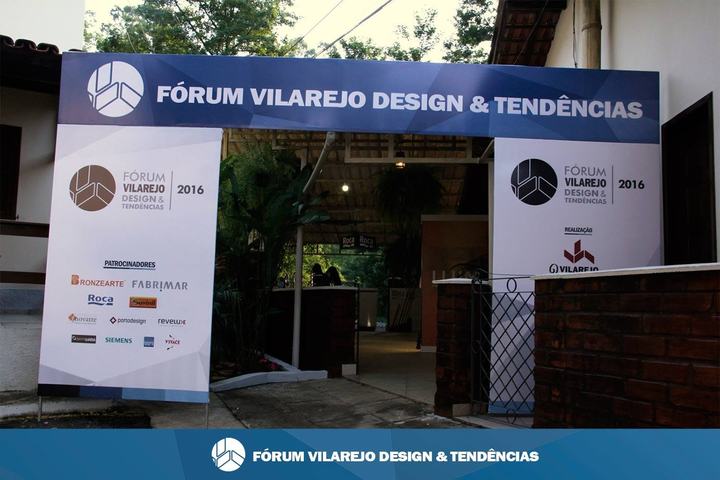
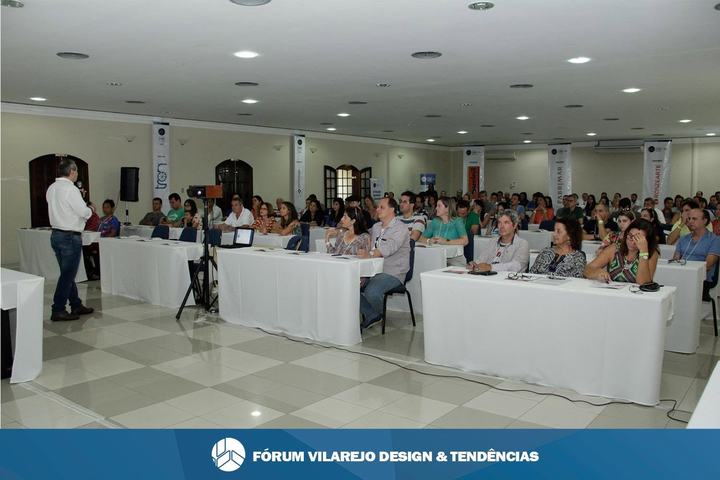
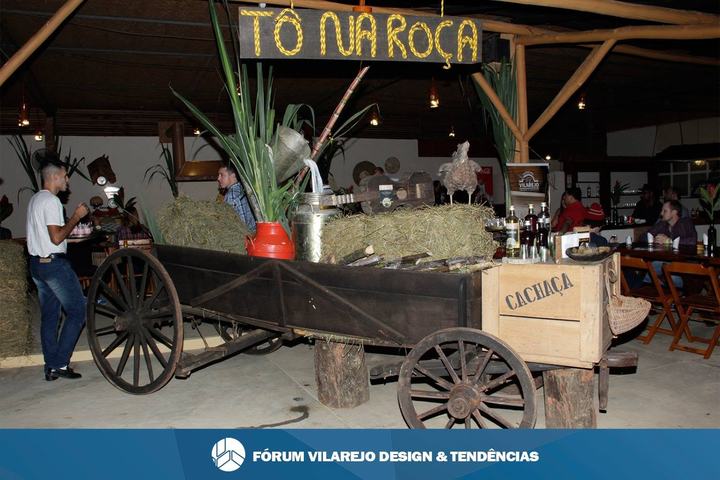
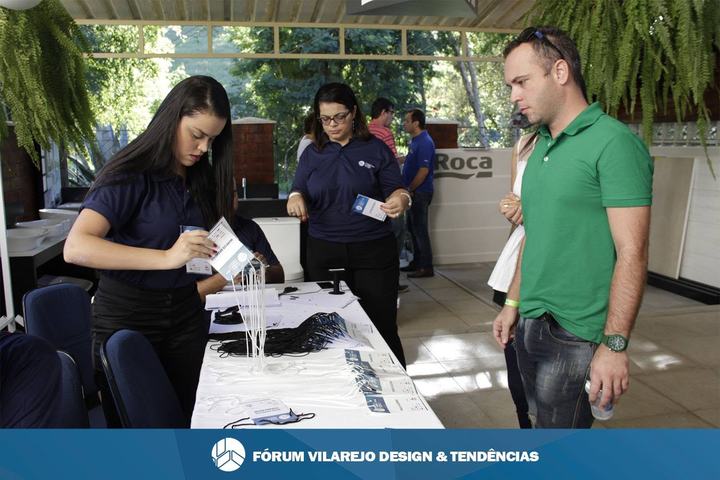
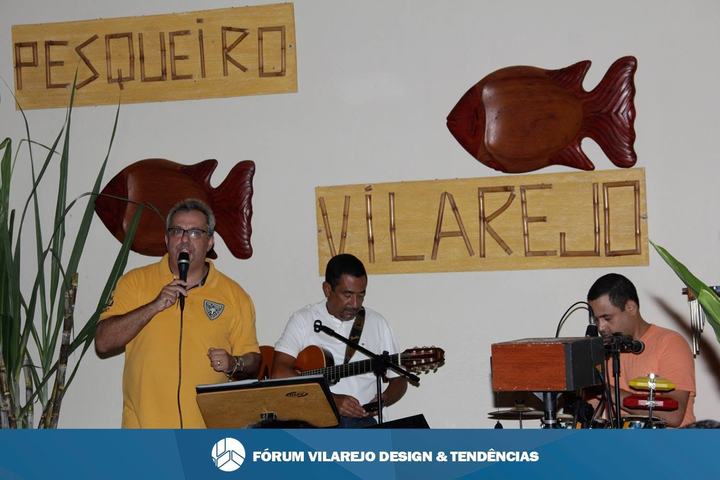
The forum was itself the prize. Two days at a hotel for the sixty specifiers who mattered most to the chain, each of them free to bring a guest, at no cost to either. Talks from architects, designers and photographers whose work runs in Brazil’s design press, then dinners, a themed party and an awards ceremony to close.
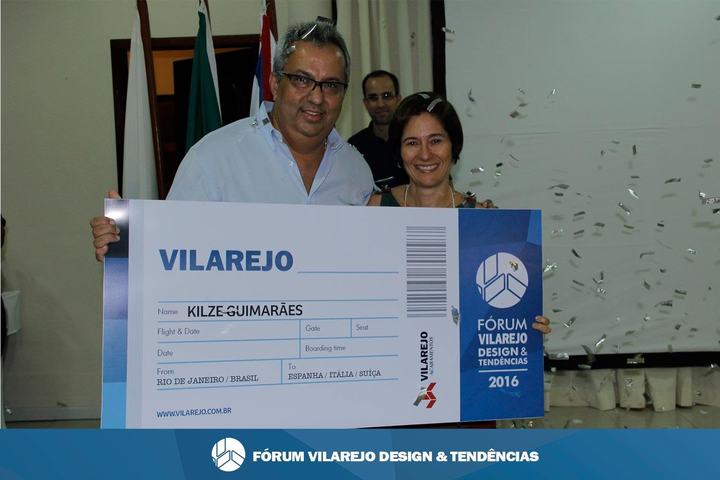
Three international trips were awarded per edition, fully covered, to Milan and Paris. The oversized boarding-pass cheque was deliberate: the award had to be visible in the room and photographable afterwards, because the following year’s invitation list was built on it.


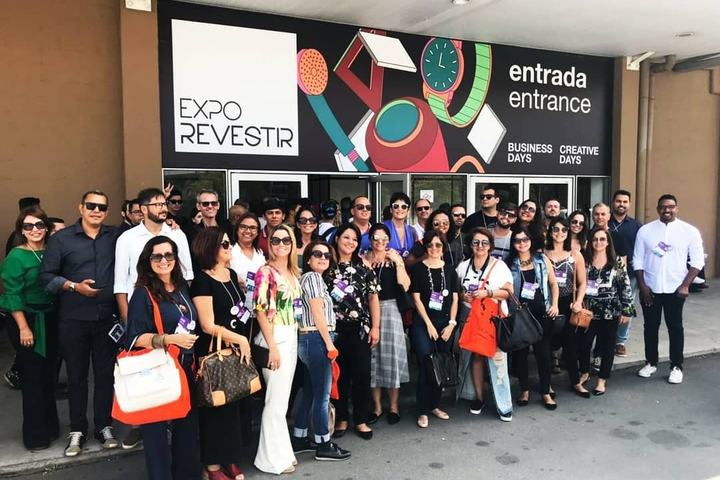
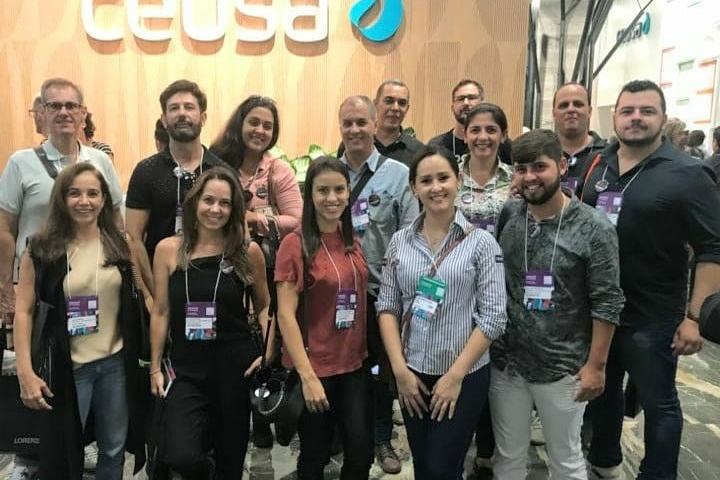
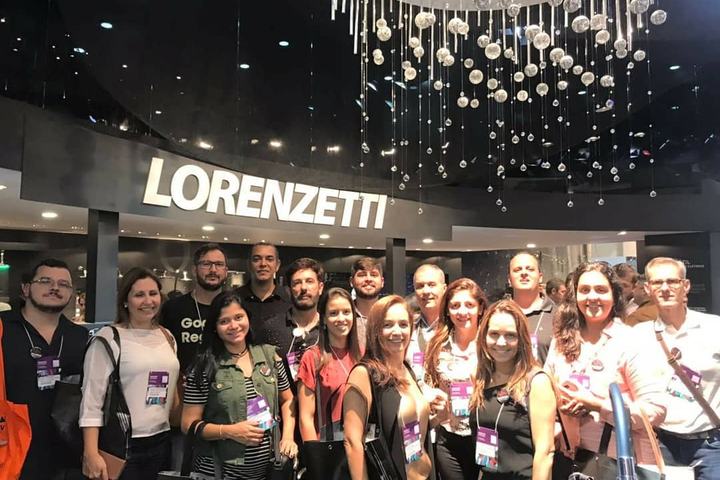
Thirty professionals flown to Latin America’s largest surfaces trade fair, two years running. We had no stand of our own, and that was the point. The objective was not to exhibit, it was to spend three days with the people who specify, inside the brands that sponsored us.
I ran the whole operation: vans from a meeting point in each of the five cities, flights both ways, an exclusive welcome gift, a coach waiting at the airport, hotel, restaurant bookings, a timed visit schedule at each sponsor’s stand, every transfer, and showroom visits at partner brands across São Paulo.
On the show floor the professionals told us which launches they wanted to see in our stores. That feedback set the following year’s calendar of in-store launch events, and brought new suppliers and new lines into the chain.


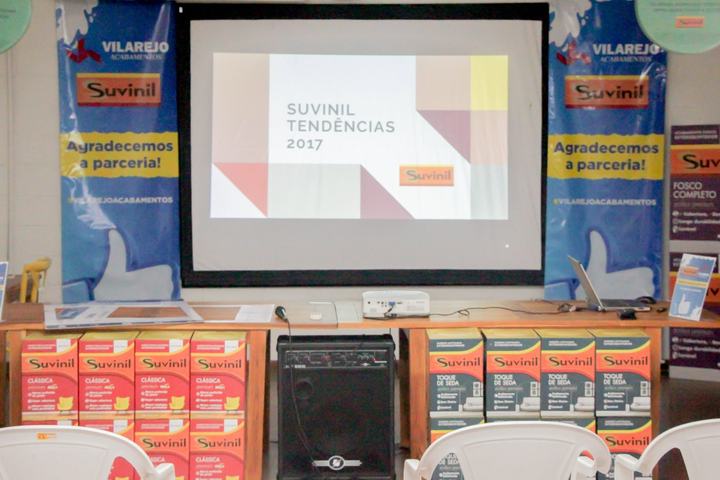
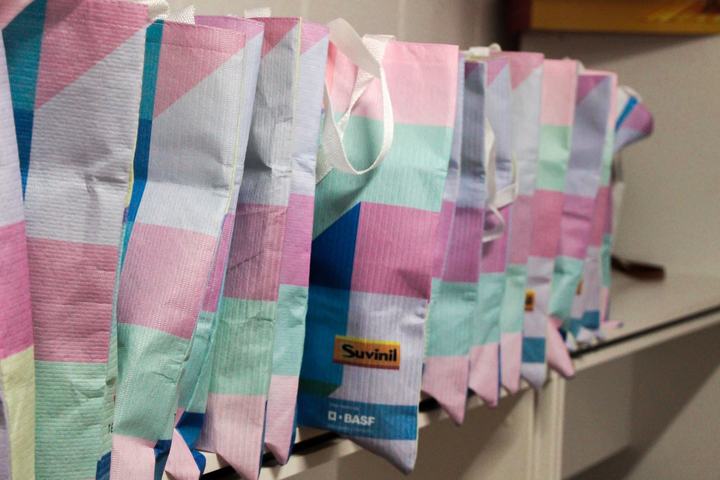
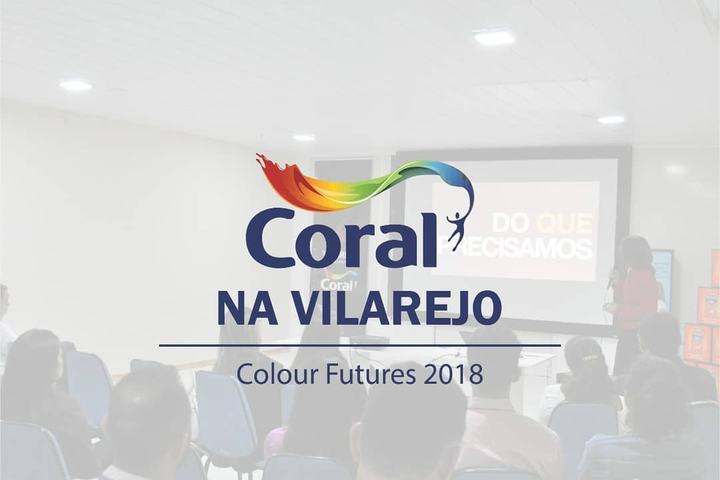
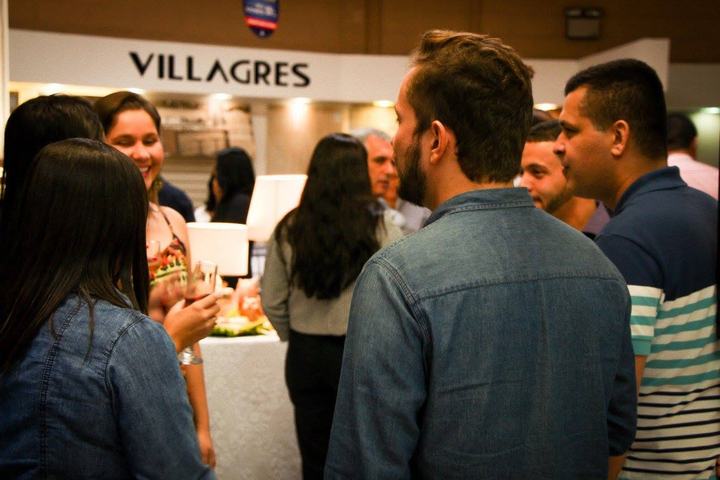
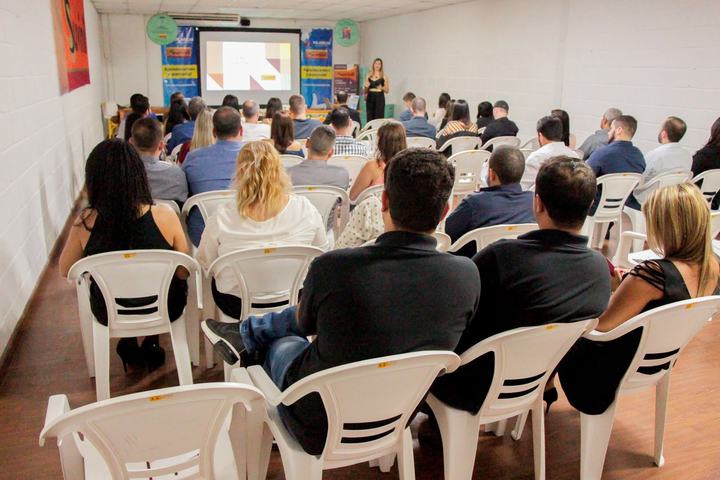
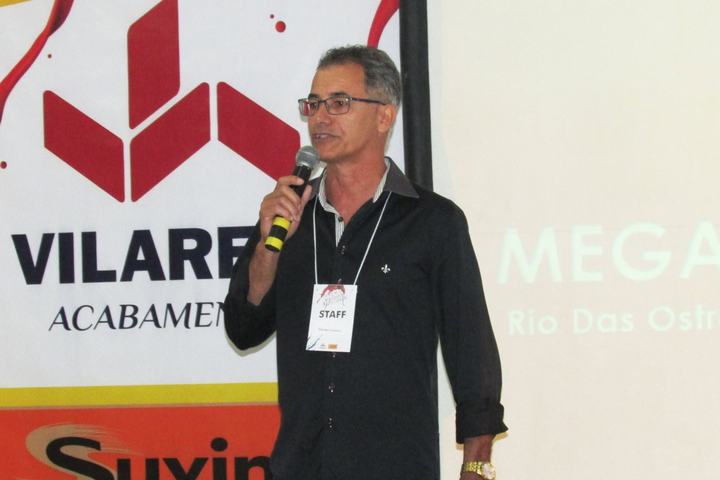
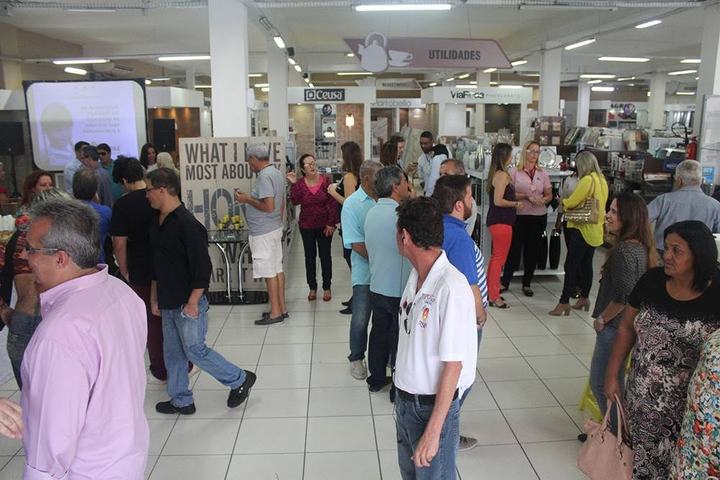
A repeatable in-store evening built once and run across all five stores, with the sponsoring brand changing each time. Suvinil brought its colour-trends talk, Coral brought Colour Futures, Villagres brought its own launch. The audience was homeowners mid-build or mid-renovation, alongside contractors and specifiers. The brand put up the money and the speaker. My department designed and ran everything else, from the first invitation to the last photograph.
The mechanic mattered more than any single night. Because the format was fixed, the store did not have to reinvent an event every quarter, and the next sponsor could be sold on a template with a track record rather than a proposal.
It also gave the sales floor something to invite customers back for. A colour-trends talk is a reason to walk into a finishings store that a discount is not.


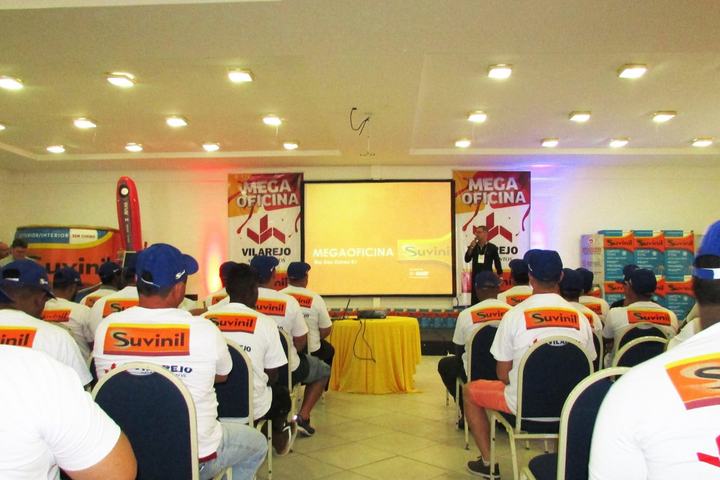
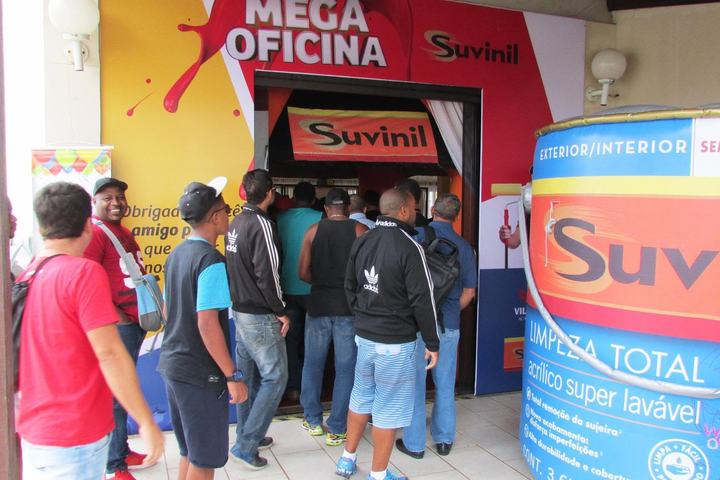
A hundred professional painters in one room, drawn from the five cities where we had stores. Suvinil covered one hundred percent of the cost. Everything before, during and after was designed by me with my team and the store staff: invitation, RSVP, catering and menu, visual identity, check-in, photography and awards.
The painters were not an audience. They were a distribution channel. A painter standing in a customer’s living room decides which brand of paint gets bought and which shop it gets bought from, and that recommendation is worth more than any window display.
So the training came with a rewards programme attached. Painters accumulated for motorcycles, televisions, bicycles and trips, which kept them registered with the store rather than loyal to whichever supplier ran the last workshop.


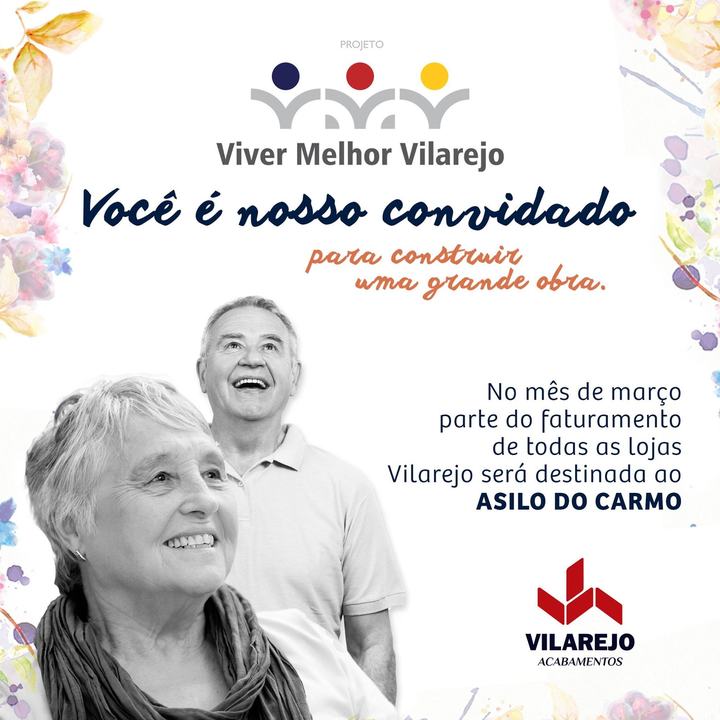
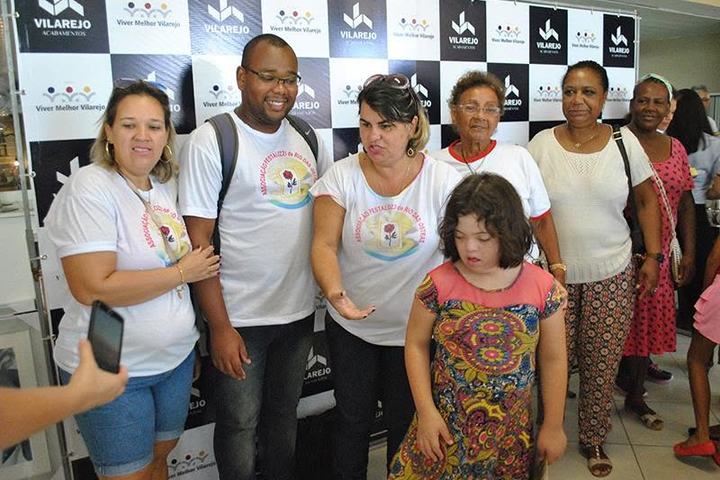
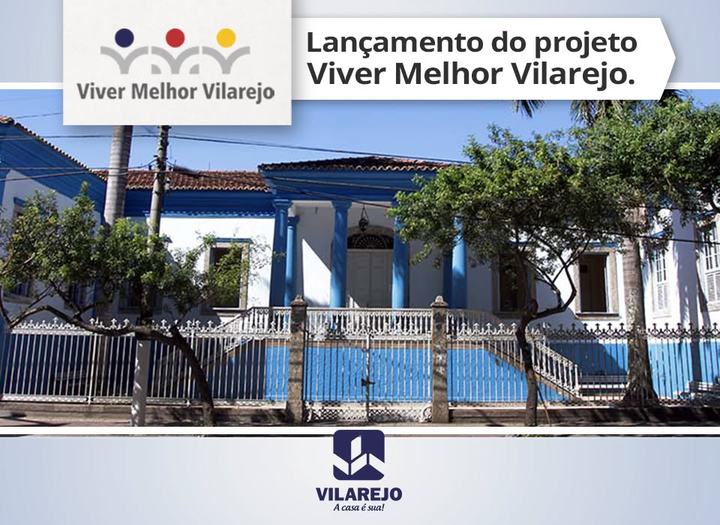
One edition per city, held in the month of that city’s anniversary. A share of every store’s revenue for that month went to a local institution, named upfront on the artwork rather than announced afterwards: Asilo do Carmo in Campos dos Goytacazes, Associação Pestalozzi in Rio das Ostras, and so on across the five cities. I was in the group that named the programme and I led all of its visual communication.
Naming the beneficiary in advance was the whole design of it. It turned a vague promise of goodwill into a commitment the customer could check, and it gave the local institution a reason to bring its own community into the store.
Local press covered every edition, and around R$100K went out in donations across the five cities over the life of the programme.


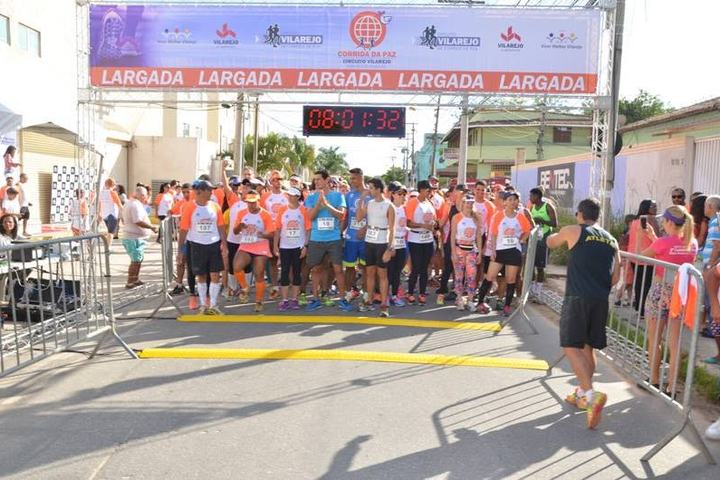
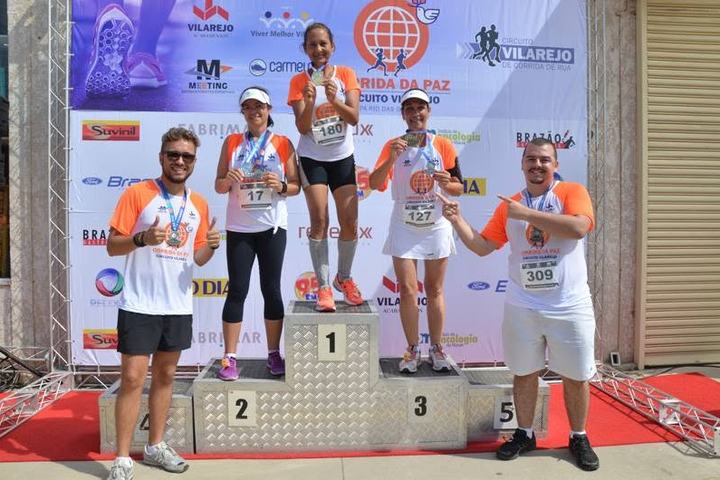
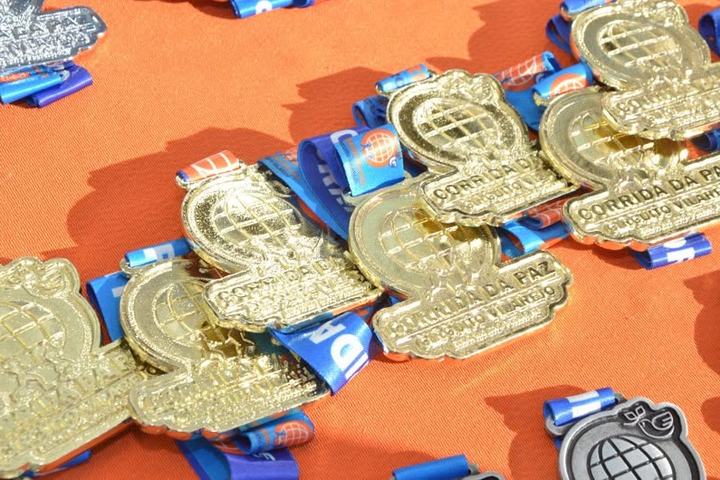
A road-running circuit across three cities, over a hundred entrants per stage, paid entry with a kit of shirt and bottle. Each stage carried a cause rather than a sponsor message: peace, breast cancer awareness, women’s health.
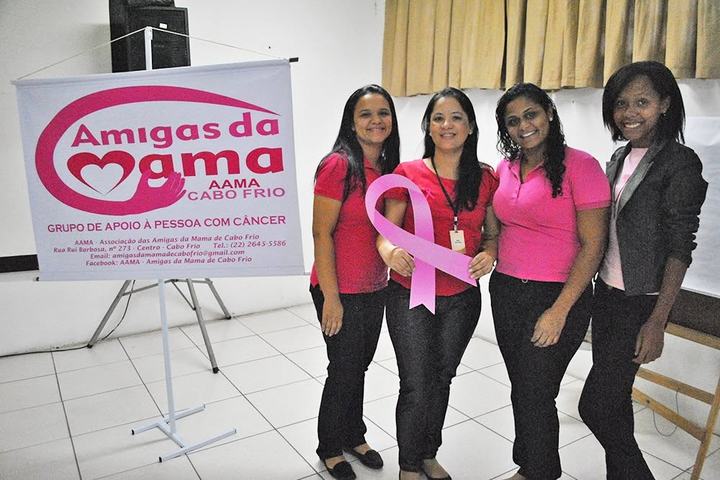
In October the same programme moved indoors. Every store ran an educational session for its sales team with the Amigos da Mama association, on why preventive screening matters, which is an odd thing for a finishings retailer to do and exactly why it was remembered. The Macaé stage, Corrida Azul e Rosa, drew around two hundred runners.


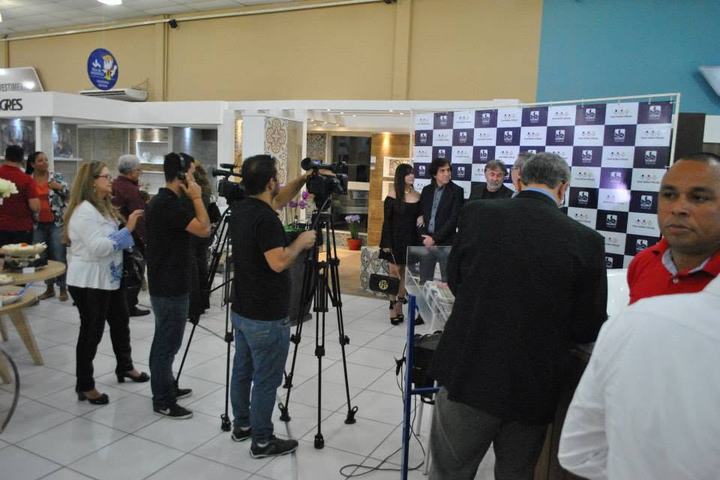
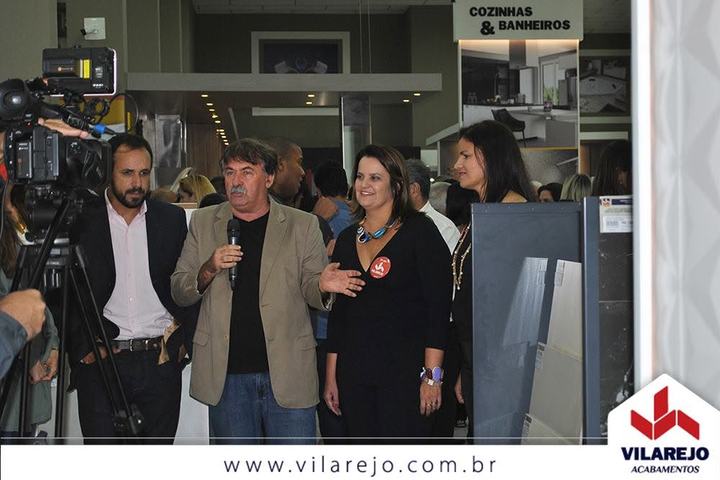
Three openings under my direction: Araruama, Rio das Ostras, and Vilarejo Conceito, the chain’s upmarket concept store. Around a hundred guests inside the store on opening night, local public figures among them, and press in the room. I ran the press relations myself, and Record TV covered the Araruama opening on air.
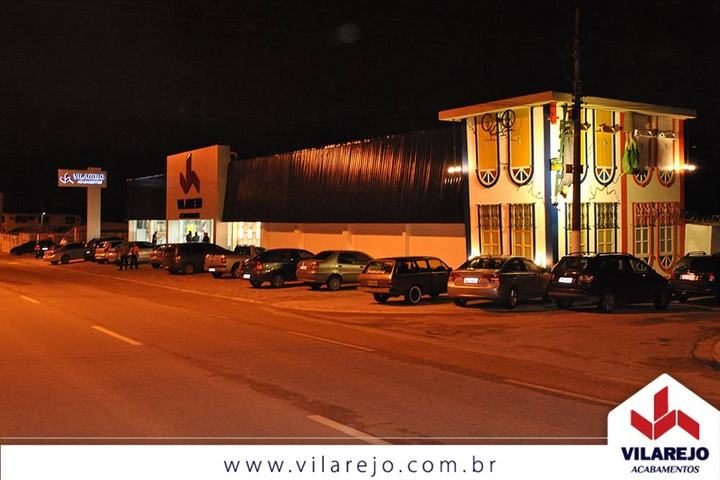
An opening is the one night a retailer gets free coverage without buying it, so the work is front-loaded: the pitch to the newsroom, the guest list, the people who will be quotable on camera, and a store that photographs well after dark.
I do not have the first-week revenue figures from those openings, so I am not going to publish one.


A note on the numbers. These come from my own records of the period, not from a report I can hand over. Where I no longer have a figure, I have left it out rather than estimate one, which is why some blocks carry fewer numbers than others.